The Rooms That Remember: Why Camberley's Old Pubs Still Matter in 2026
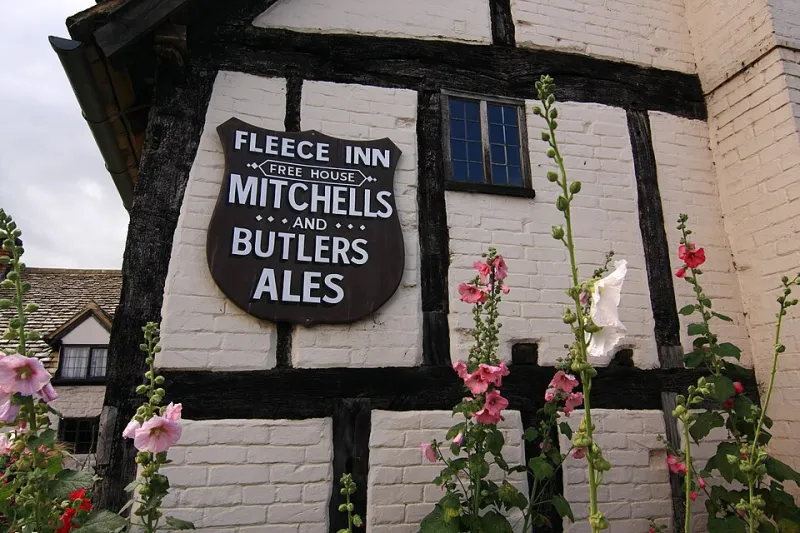
Photo: IDS.photos from Tiverton, UK, CC BY-SA 2.0, via Wikimedia Commons
There is a particular sort of quiet in a pub on a damp Tuesday afternoon. The windows steam up, somebody is halfway through the crossword, and the dog bowl by the door has just been topped up. In Camberley, that quiet carries a lot of history.
Pubs are not museums, though. That is the thing. The good ones change with the town while still keeping a few familiar corners exactly as they were. They have watched the old coaching road become a commuter route, watched new estates spread out towards Frimley and Yorktown, and watched the High Street learn to serve flat whites as well as pints. In 2026, with more ways than ever to spend an evening, the local still has a job to do.
The Road In: Coaching Routes and Quiet Corners
Camberley grew up around movement. The old London Road and the A30 were waypoints long before the town had the shape it has now, and the pubs that sit near those routes still feel like places where people pause. You can trace that rhythm in the older rooms around town — the sort of pubs where the front bar is for a quick pint and a newspaper, and the back room is for whoever turns up next.
The Wheatsheaf has seen the town swell around it, and its place in the local map feels well earned. It is the kind of pub that can handle a quiet midweek pint and a busier Saturday without losing its manners. The Cambridge, too, carries the fingerprints of different eras — a proper local pub where the conversation tends to drift between football, family and whatever is happening on the road outside.
What these rooms reveal is that Camberley's identity was never just built from new bricks. It was built from familiar stopping points. A pub by the old road tells you that people have been passing through, settling down and meeting up here for a long time.
The Post-War Local: Built for New Streets
After the war, Camberley changed quickly. New estates brought young families, commuters and a fresh set of social rituals. The pub became a community centre with a license: darts teams, meat raffles, quiz nights, Sunday lunches and the sort of landlord who knew which regular took sugar and which one definitely did not.
That post-war local still matters. Places like the Plough and Horses and the estate pubs off Portsmouth Road have long acted as living rooms for their streets. You do not need a special occasion to go in. You need a Tuesday, a few quid and a willingness to say hello.
The rituals are small but powerful. The same stool. The same pint. The same seat by the fire when the weather turns. The dog that knows exactly where the biscuits are kept. These are not grand traditions, but they are the glue of a neighbourhood. In a town that has grown as fast as Camberley, that kind of continuity is worth something.
The Station Tap and the New Rituals
Camberley's railway links have shaped the town just as surely as its roads. The Station Tap does what a good station pub should do: it catches people between one part of the day and the next. A quick pint after work, a catch-up before the train, a Friday debrief that turns into two. It is a modern sort of local, but the ritual is old.
The Taphouse brought a different kind of beer conversation to town, and that is no bad thing. Camberley's drinking culture is not frozen in time. New bars, micropubs and bottle shops have added variety, and the best of them understand that good beer is only half the job. The other half is atmosphere. A room can have a brilliant tap list and still feel cold. The pubs that last are the ones where somebody says hello when you walk in.
The Landlords, the Regulars and the Small Stuff
Ask anyone who has run a pub in Camberley and they will tell you the same thing: the job is less about pouring drinks than reading the room. A landlord learns which regular wants to be left alone with the racing pages and which one needs a bit of company. They know when to put the quiz on and when to turn it down. They know that the first cold snap of November means the fire gets lit earlier and the soup goes on.
Regulars do their bit too. They keep the darts team going, organise the Christmas do, bring in the birthday cake and make sure a new face does not stand awkwardly at the bar for too long. That is not nostalgia. That is community work with a pint in hand.
Why a Good Local Still Matters in 2026
In 2026, Camberley has plenty of ways to spend an evening. You can order in, stream something, meet for coffee or scroll until bedtime. None of that is the enemy of the pub. The pub just has to be worth leaving the house for.
The ones that are worth it tend to share a few things: a warm welcome, a decent pint, a bit of room to breathe and a sense that you are in Camberley rather than anywhere. They are places where the town's history is not roped off behind glass. It is in the scuffed bar top, the old photographs, the darts board and the regular who has been sitting in the same spot since before anyone can remember.
So here is to the rooms that remember. Long may they keep the door open, the glasses clean and the kettle on for the designated driver. A good local is not a relic of the past. In 2026, it is still one of the best ways to find out what a town is really like.