The Kettle’s On: Camberley’s Free Winter Rooms and How to Walk In
November has a way of making Camberley feel smaller. The High Street lights are on, the leaves are gathering in doorways, and ‘put another jumper on’ is back in circulation. For plenty of people in town, though, the colder months bring a quieter worry: whether to put the heating on, and for how long.
That’s where the town’s warm spaces come in. They’re not a new idea — the Warm Welcome campaign has been linking up free, welcoming rooms since 2022 — but they’ve become a genuine part of the local winter rhythm. The point isn’t charity. It’s company, a hot drink, a plug socket, and a room that isn’t costing you anything to sit in.
Why a warm room is about more than the thermostat
A warm space is not just a radiator with chairs around it. The best ones do something subtler: they give you permission to stop. You can read the paper without feeling you should be doing something useful. You can charge your phone. You can sit with a jigsaw for twenty minutes and nobody asks why. For people who work from home in a cold flat, or who’ve retired into a quiet week, or who are between jobs and watching every penny, that hour can change the shape of a day.
Camberley Library on Knoll Road is the obvious starting point. It’s free, it’s warm, and it’s not remotely bothered whether you’re there for a novel, the newspapers, or simply a seat near the window. Libraries have quietly become some of the most democratic winter rooms in the country: no purchase necessary, no membership test, no need to explain yourself. If you haven’t been in for years, the staff are used to that. They’ll point you towards the quiet corner and leave you to it.
Church halls, community cafés and the art of the quiet hello
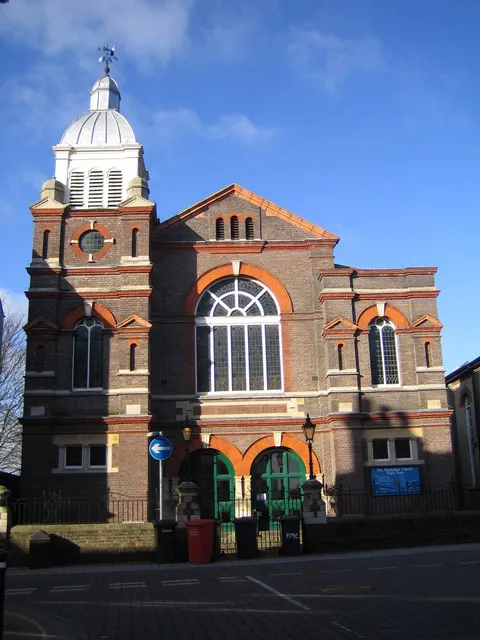
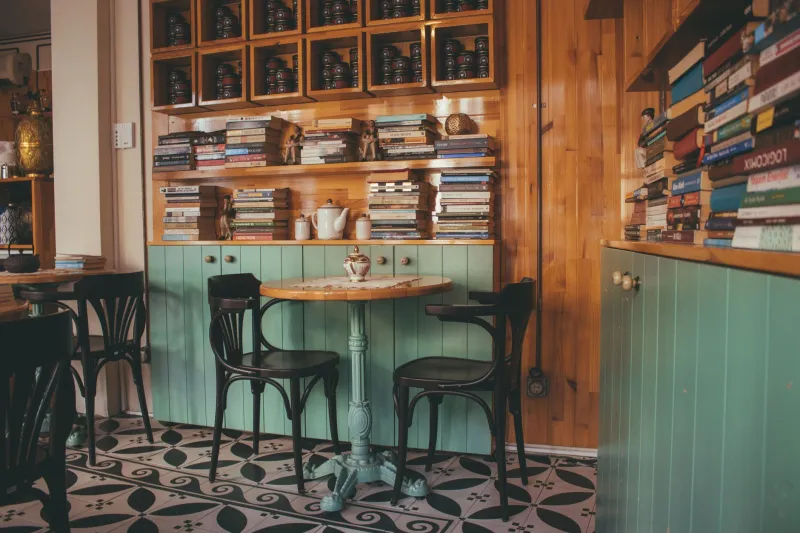
Beyond the library, the town’s church halls and community cafés do a lot of heavy lifting. High Cross Church and St Michael’s both run regular café mornings and drop-ins, and several local halls flag themselves as warm spaces over the colder months. The Old Dean and Watchetts areas have their own smaller hubs — parish rooms, community centres, scout huts — where the tea urn goes on and the biscuit tin does the rounds.
These places are not trying to be glamorous. That’s the point. A strip light, a stack of mugs, and a volunteer who says ‘morning’ without making it weird is often all it takes. One volunteer at a church hall café put it neatly: ‘We’re not means-testing warmth. If you’re cold, come in. If you’re lonely, come in. If you just want to read the paper somewhere that isn’t your front room, come in.’
Regulars describe the same thing: the radiators matter, but the ritual matters more. The crossword. The jigsaw. The familiar face behind the urn. The small permission to stay for a second cup. In a town that can feel spread out and car-dependent, a warm room is also a meeting point — a place where the neighbourhood bumps into itself.
How to use a warm space without feeling awkward
You don’t need a reason. You don’t need to be lonely, elderly, or worried about money. You just need to be a person who’d like to be warm for an hour. The best warm spaces are deliberately low-key: no signing in, no means test, no expectation to buy anything. If there’s a donation tin, it’s a tin, not a toll booth.
If you’re nervous, go early. The first half-hour is usually the quietest, and you can claim a chair near the edge of the room. Take a book, a charger, or nothing at all. If someone asks if you want tea, say yes if you do and no if you don’t — both are completely normal. And if you’re worried about someone else — a neighbour, a grandparent, a friend who’s gone a bit quiet — offer to go with them. Walking in together is often the whole battle.
The small things that make a difference
Warm spaces are rarely about grand gestures. They’re about plug sockets, accessible toilets, a lift if there are stairs, and someone who knows where the spare glasses are. They’re about not being made to feel like a case study. They’re about a room where you can take your coat off and let your shoulders drop.
It’s also worth checking ahead. Opening times shift, volunteers rotate, and some spaces run only on certain days. A quick phone call or a look at the noticeboard saves a wasted walk. The Warm Welcome website lets you search by postcode, and local Facebook groups and library noticeboards are still surprisingly good at sharing the week’s timetable.
A pocket map for the colder months
- Camberley Library, Knoll Road — free, warm, newspapers, Wi-Fi, and no purchase needed. A reliable first stop if you just want a quiet seat.
- Church halls and community cafés around High Cross, St Michael’s, the Old Dean and Watchetts — check noticeboards and local pages for warm-space days, café mornings and drop-ins.
- Community cafés on and around the High Street — low-cost cuppas, often with a pay-it-forward shelf or a friendly table if you’re on your own.
- The Warm Welcome map online — search your postcode to find nearby spaces that have chosen to be listed.
None of this replaces the bigger stuff — bills, housing, isolation — but it takes the edge off a cold afternoon. And it does something else, too. It reminds us that a town is not just its shops and its traffic. It’s the rooms where somebody thought to put the kettle on.
The warmest seat in Camberley this winter might not be a seat at all. It might be the moment you realise nobody is counting your pennies or your minutes. The door is open. The kettle’s on. You’re welcome.